
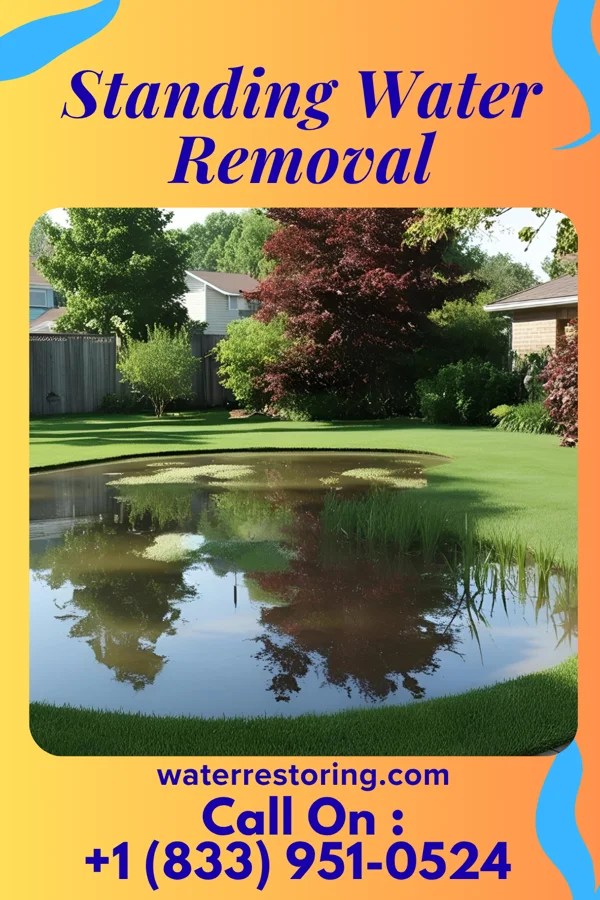
Why Lewis Sees Standing Water Often
The pattern in Lewis is consistent. In Lewis, Wisconsin, primary water damage often stems from sudden plumbing failures, such as burst pipes in rural homes and farm buildings, especially during colder months when frozen pipes are more prone to rupture. Additionally, heavy rainfall and flooding from nearby rivers like the Black River can lead to water intrusion in low-lying areas near Siren, WI. drives most of the emergency restoration calls we get. A close second is Secondary causes include leaks from agricultural equipment, septic system failures, and excessive condensation in barns and storage facilities. These issues are common in the agricultural and rural communities of Lewis, where moisture management is critical for preserving both structures and livestock..
Lewis, WI experiences cold winters and heavy spring rains, increasing the risk of frozen pipe bursts and flash flooding. The region's rural layout and proximity to waterways like the Black River mean that water damage can spread quickly, requiring rapid response to prevent long-term structural issues.
Lewis, WI experiences cold winters and heavy spring rains, increasing the risk of frozen pipe bursts and flash flooding. The region's rural layout and proximity to waterways like the Black River mean that water damage can spread quickly, requiring rapid response to prevent long-term structural issues. The dominant local driver is In Lewis, Wisconsin, primary water damage often stems from sudden plumbing failures, such as burst pipes in rural homes and farm buildings, especially during colder months when frozen pipes are more prone to rupture. Additionally, heavy rainfall and flooding from nearby rivers like the Black River can lead to water intrusion in low-lying areas near Siren, WI., with Secondary causes include leaks from agricultural equipment, septic system failures, and excessive condensation in barns and storage facilities. These issues are common in the agricultural and rural communities of Lewis, where moisture management is critical for preserving both structures and livestock. showing up as the next most common cause. Damage builds in stages. Spread. Absorption. Microbial growth. Structural compromise. Every stage you pass through adds to the final bill.